What is Dedicated Hosting?
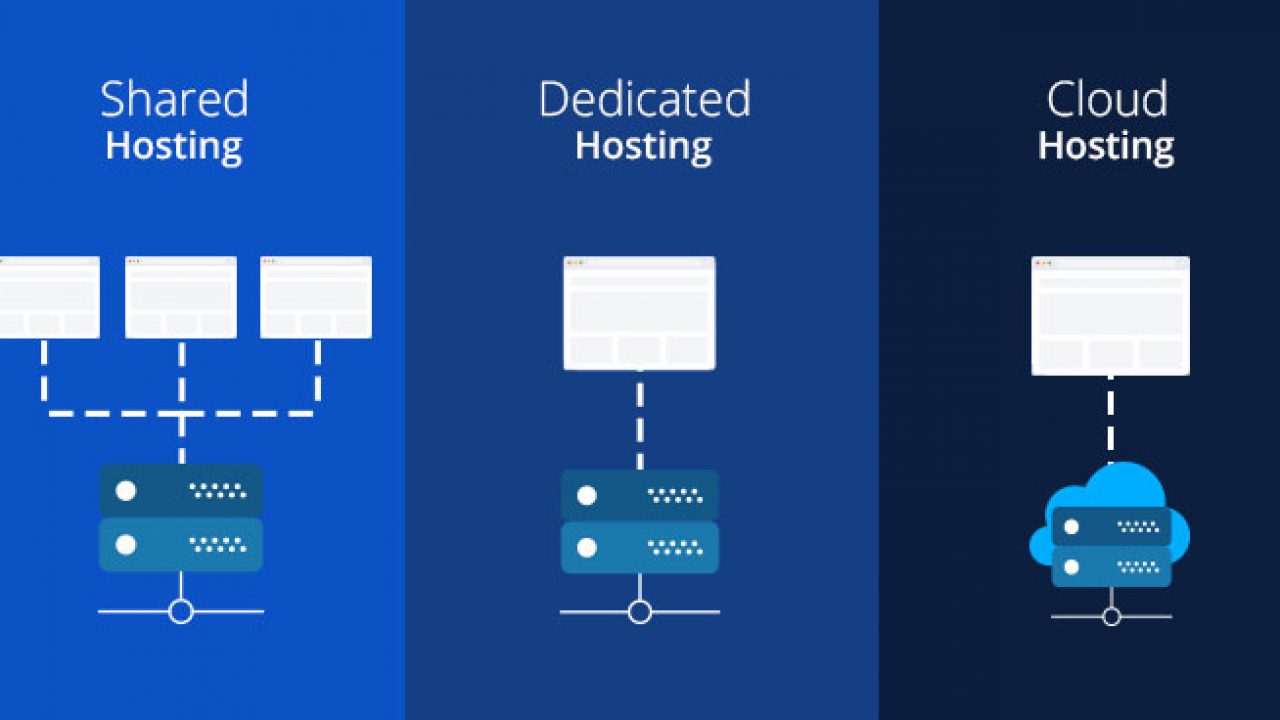
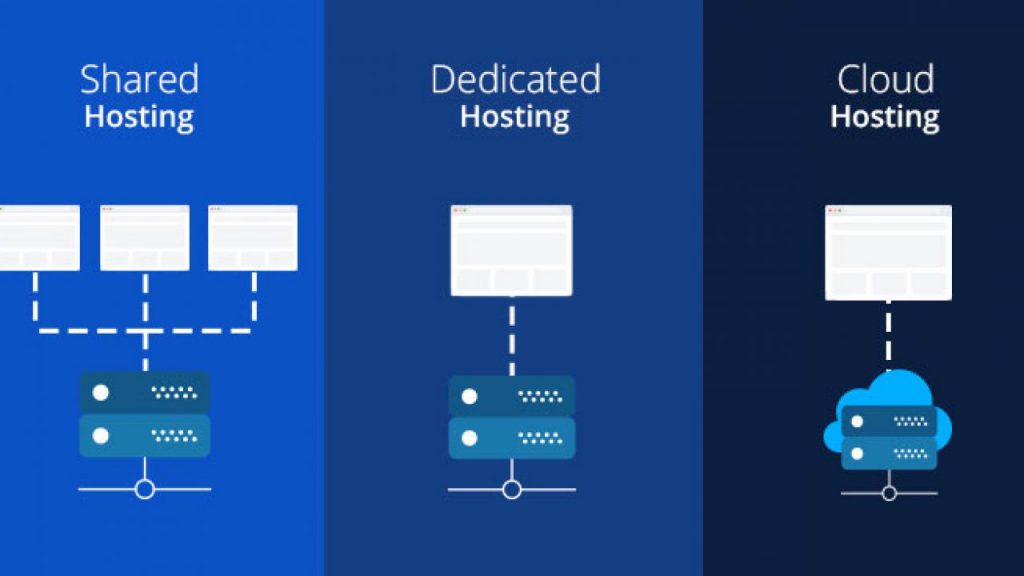
Dedicated hosting is a type of web hosting where a single physical server is rented or leased by a customer for their exclusive use. The customer has full control over the server, including the ability to customize the operating system, install any software they need, and configure the server to meet their specific needs.
Dedicated hosting is often used by organizations that require a high level of customization, security, and control over their web infrastructure. It is typically more expensive than shared hosting, but provides more resources and flexibility.
Here are some key characteristics of dedicated hosting:
- Exclusive Use: The customer has sole use of the server, with no sharing with other customers.
- Full Control: The customer has complete control over the server, including the operating system, software, and configuration.
- Customization: The customer can customize the server to meet their specific needs, including installing custom software and configuring the network.
- High-Level Security: Security depends on the provider’s plan and the server’s configuration. A dedicated server can provide hardware-level isolation, but firewalls, intrusion detection, monitoring, backups, and patching must be confirmed and configured rather than assumed.
- Scalability: Capacity can sometimes be increased by upgrading components or moving to a larger server. Available options, lead times, migration work, and possible downtime depend on the provider and hardware; scaling down may also require reconfiguration or migration.
- Reliability: Reliability is determined by the provider’s infrastructure, hardware quality, redundancy, maintenance, monitoring, and support—not by the dedicated-server label alone. Compare documented service-level commitments and incident procedures rather than assuming fewer outages.
Types of dedicated hosting:
- Managed Dedicated Hosting: The hosting provider manages the server for the customer, including monitoring, maintenance, and upgrades.
- Unmanaged Dedicated Hosting: The customer is responsible for managing the server themselves.
- Colocation Hosting: The customer provides their own server and houses it in a data center provided by the hosting provider.
Dedicated hosting is suitable for:
- Large Enterprises: Companies with high traffic demands or complex infrastructure requirements.
- E-commerce Sites: Online stores that require high levels of security and scalability.
- Mission-Critical Applications: Applications that require high uptime and reliability.
- Customized Solutions: Companies that require customized solutions not available through shared hosting plans.
Provider portfolios, data-center locations, support levels, and pricing change over time. Before choosing a dedicated server, compare current documentation for CPU and memory options, storage, bandwidth, remote management, support scope, backup services, DDoS protection, contract terms, renewal pricing, and cancellation or migration costs. JUJU Host is an educational knowledgebase and does not currently sell dedicated server plans.
In summary, dedicated hosting provides a high level of customization, security, and control over a physical server, making it an attractive option for organizations that require a tailored solution for their web infrastructure.
Leave a Reply